
Translated by Andrés Martínez Forero
Bogotá, My City, My Home continues to advance inclusion and autonomy for all women. A partnership between the Bogotá Women’s Secretariat and the United Nations Development Programme (UNDP) implemented a training and support initiative for women with disabilities and their caregivers.
You might be interested in consulting: More than 400 students and residents improve their English through Suba’s Bilingualism Route
As part of the initiative, nearly 120 caregivers participated in training sessions at the Suba–Fontanar del Río, Bosa Campo Verde, Teusaquillo, Usaquén, Fontibón, and Kennedy–Bellavista Care Blocks. Participants strengthened their knowledge of disability-inclusive approaches, support mechanisms for greater autonomy, available care and support services, and independent living.
One of the key lessons from the initiative was that promoting the autonomy of people with disabilities can also transform the way care is provided and help redistribute unpaid care work, which has historically fallen disproportionately on women.
At the same time, the Bogotá Women’s Secretariat developed the Empowerment Program and the Amar-te School for Women with Disabilities. These spaces encouraged participants to share experiences and reflect on self-esteem, body awareness and acceptance, autonomy, and discrimination.
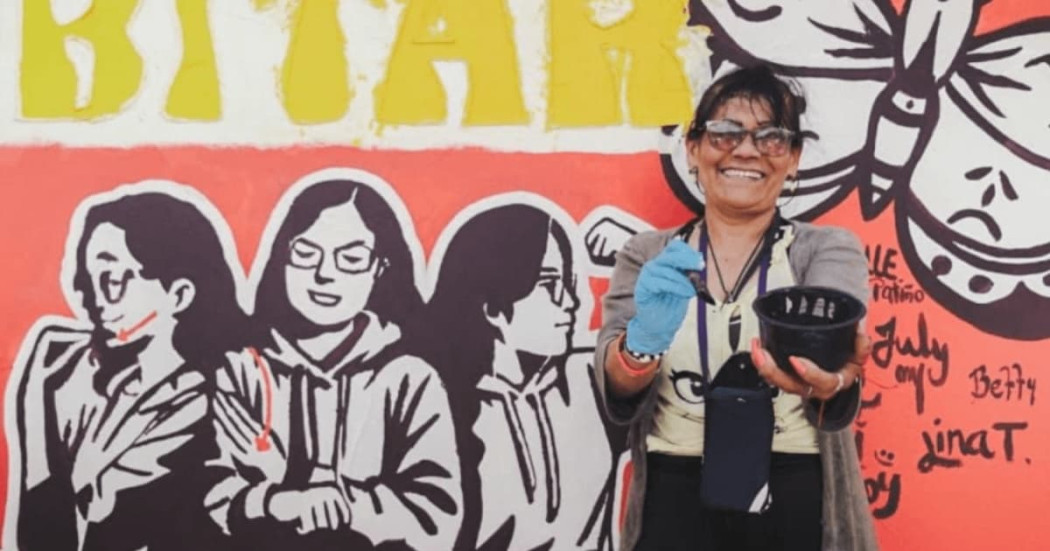
As a result of the process, participants collectively created the mural My Body Is Diversity and Autonomy. The artwork was unveiled on July 10 at SuperCADE Engativá, in coordination with the General Secretariat of the Office of the Mayor of Bogotá, during the event Bodies That Tell Stories, Memories That Transform.
That same day, caregivers participated in a respite and wellness session focused on self-care and mental well-being. They also received kits containing simple assistive devices designed to support caregiving tasks while promoting greater autonomy for people with disabilities.
Don't leave without checking out: Bogotá earns international recognition for its urban transformation strategies
The methodologies and lessons developed through this partnership will strengthen Bogotá’s Care System, reinforcing the principle that promoting the autonomy of people with disabilities https://manzanasdelcuidado.gov.co/ also contributes to the well-being of those who provide care.
*This article was created using information provided by the Bogotá’s International Relations Office and curated by a journalist from Portal Bogotá. For suggestions, questions, or more information, visit Bogotá Te Escucha: https://bogota.gov.co/sdqs/