
Translated by Andrés Martínez Forero
Bogotá, My City, My Home continues to move toward a more circular and sustainable economy. The Latin America Circular Economy Assessment (Circular City Scan Bogotá-Region) confirms that Colombia’s capital is already advancing several of the solutions needed to accelerate this transition.
You might be interested in consulting: Bogotá-UNDP partnership strengthens autonomy for women with disabilities
The study, developed by the Circular Economy Foundation with support from the Inter-American Development Bank (IDB) and the Secretariat for the Environment, makes Bogotá the first city in Latin America to apply this methodology. The assessment maps where the materials and resources used by the city come from, identifies where the greatest environmental impacts occur, and helps determine which actions could most effectively accelerate the transition to a circular economy.
Existing city programs such as ReGenera, Red Moda Circular, Manos Reparadoras, Bogotá Construcción Sostenible, Bogotá Región Circular, and PREAD are already addressing key priorities identified by the study.
The transition to circular models could generate as many as 40,000 green jobs in the agri-food value chain. Sustainable construction, repair services, recycling, and material reuse also offer significant opportunities for economic growth.
Circular economy progress in numbers
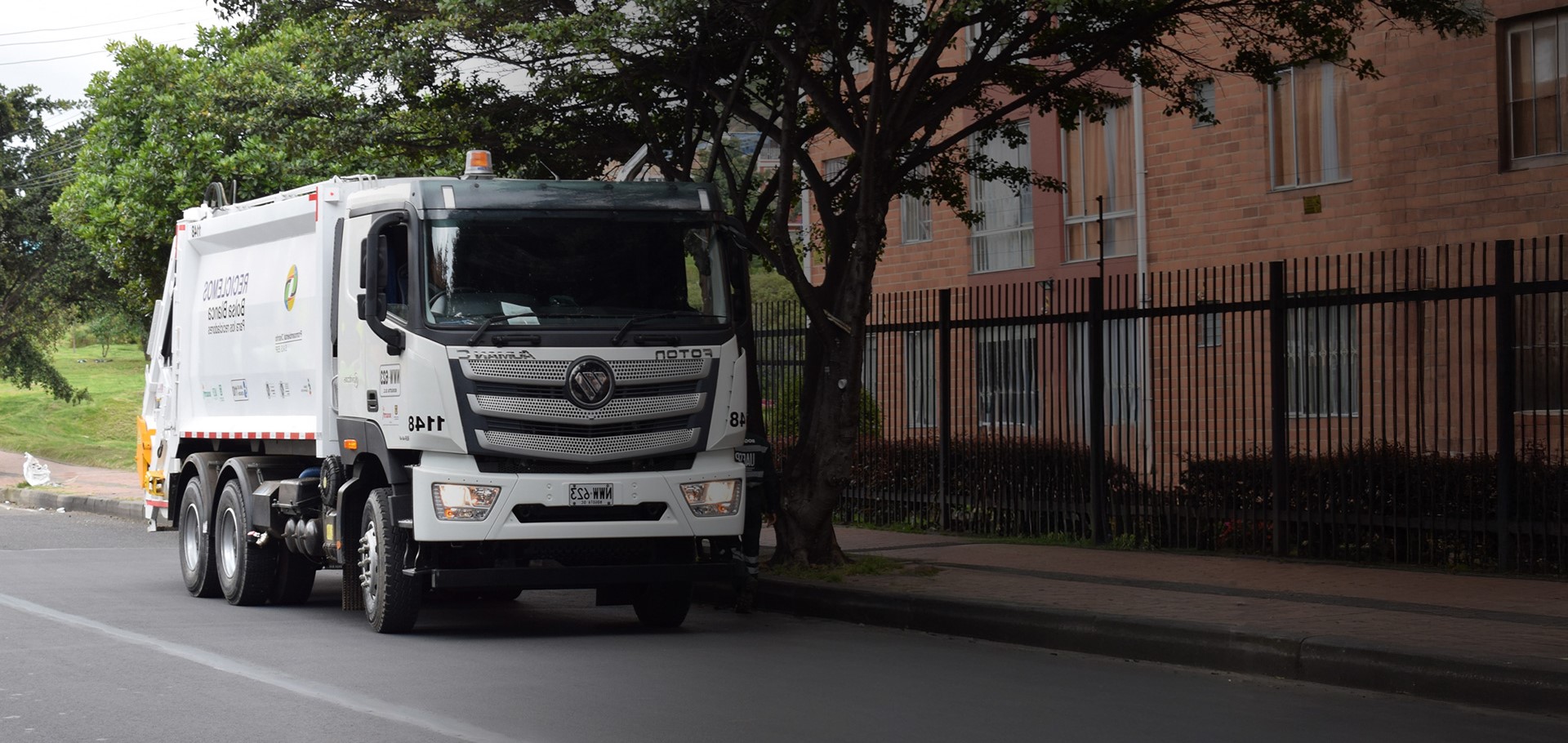
Since February 2024, ReGenera has managed 8,417 tons of waste generated by the food-service sector — roughly equivalent to the load carried by 842 garbage trucks. Instead of being sent to the Doña Juana landfill, these materials are recovered and put to productive use through processes such as composting.
In the textile sector, the focus is on extending the lifespan of clothing through repair, reuse, and second-hand markets. Since February 2024, Red Moda Circular has recovered 213.8 tons of textiles.
This work is complemented by Manos Reparadoras, which has trained 286 people and strengthened businesses dedicated to repairing and reusing clothing.
Learn more in this Instagram post from the Secretariat for the Environment of Bogotá:
Shared post on Time
The share of construction and demolition waste recovered for reuse increased from 25% in 2023 to 38% in 2024 and 40% in 2025. In practical terms, for every 100 tons generated in 2025, 40 tons were returned to productive uses instead of becoming waste.
In 2025, the Office of the Mayor of Bogotá introduced regulations for ecourbanism strategies in public spaces and sustainable construction standards for new buildings in both urban and rural areas. Through Bogotá Construcción Sostenible, the city recognizes projects that implement measures to reduce water and energy consumption, expand urban greenery, and improve the well-being of building occupants.
Don't leave without checking out: Bogotá earns international recognition for its urban transformation strategies
Meanwhile, Bogotá’s Business Environmental Management Program has supported 505 companies since 2024 through ACERCAR and the District Environmental Excellence Program (PREAD). The initiatives implemented by participating companies have generated savings of more than 12 million kilowatt-hours (kWh) of energy — equivalent to the monthly electricity consumption of approximately 76,400 households — as well as 132,873 cubic meters of water.
*This article was created using information provided by the Bogotá’s International Relations Office and curated by a journalist from Portal Bogotá. For suggestions, questions, or more information, visit Bogotá Te Escucha: https://bogota.gov.co/sdqs/
¿Sabes qué días hay recolección de basuras en tu zona?
¡Es fácil! Ingresa la dirección y selecciona 'Esquema de recolección de basuras'