
Translated by Andrés Martínez Forero
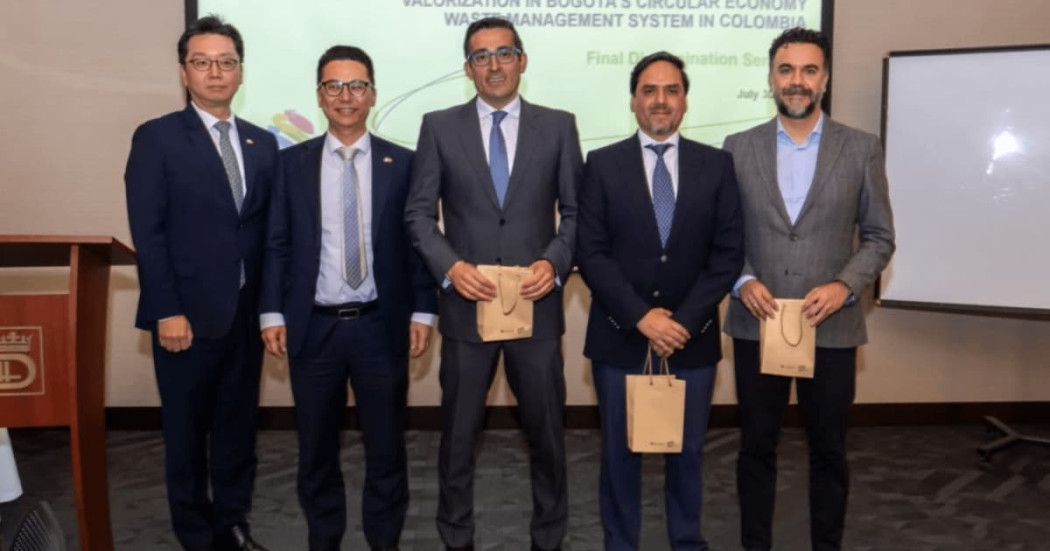
In Bogotá, My City, My Home, we are building international partnerships to advance sustainable waste management and a circular economy. The Office of the Mayor of Bogotá, together with the Special Administrative Unit for Public Services (UAESP), the Government of Korea, and CAF — Development Bank of Latin America and the Caribbean — held the closing event of a cooperation partnership developed under the KSP–CAF Joint Consultancy. The initiative was designed to strengthen waste management and sanitation services in the Colombian capital.
You might be interested in consulting: Bogotá recognized for advancing circular economy initiatives
During the event, the partners presented the final results of the project “Proposal to Strengthen the Value of the Waste Management System under a Circular Economy Approach in Bogotá, Colombia,” an initiative aimed at providing technical and institutional tools to support the transformation of the city’s waste management system.
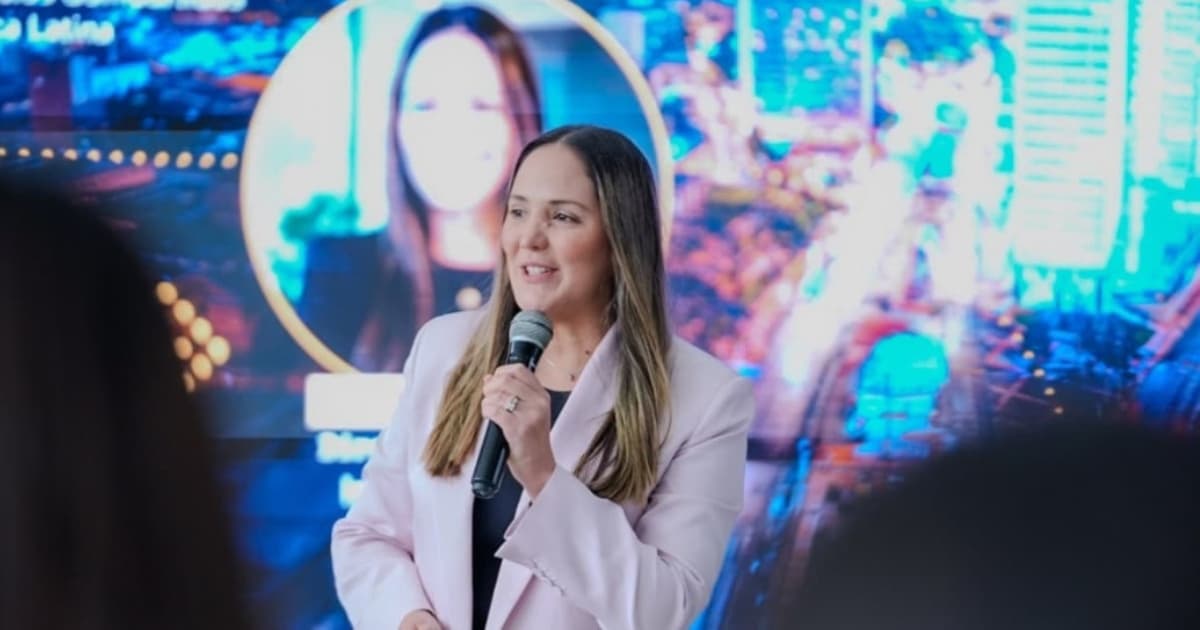
“This partnership enabled us to consolidate knowledge, recommendations, and proposals to strengthen waste recovery, increase material valorization, and advance the implementation of infrastructure linked to the circular economy,” said Armando Ojeda, Director of the Special Administrative Unit for Public Services (UAESP).
One of the initiative’s main goals is to gradually reduce Bogotá’s reliance on landfill disposal by 2036 through measures that increase material recovery and progressively reduce the amount of waste sent for final disposal.
The project included a preliminary technical assessment for the development of solid and mixed waste sorting facilities and transfer stations in Bogotá. It also included the development of a public policy roadmap and an institutional framework for implementing circular waste management infrastructure.
Learn more in this post from the Special Administrative Unit for Public Services (UAESP):
Bogotá avanza hacia la economía circular. Con el apoyo de la República de Corea, fortalecemos una hoja de ruta que articula a la ciudadanía, los recicladores, las organizaciones y la tecnología para aprovechar mejor los residuos y reducir su disposición en el relleno sanitario.… pic.twitter.com/nIX0oSjGYu
— Uaesp (@Uaesp) July 31, 2026
The process also incorporated information from the Single Registry of Waste Picker Organizations (RUOR) as an input for a comprehensive analysis of the waste management chain, from generation and collection to recovery, valorization, and final disposal. This made it possible to incorporate the participation and role of waste picker organizations into the proposals developed to strengthen Bogotá’s circular economy model.
Seminars and workshops were also held to strengthen the capacities of officials responsible for designing and implementing public policies, while promoting the exchange of knowledge and experience between Korea and Bogotá.
At the closing event, the participating institutions shared the results achieved, gathered feedback, and explored potential priority projects and new avenues for technical cooperation.
Don't leave without checking out: Bogotá earns international recognition for its urban transformation strategies
With the conclusion of this partnership, Bogotá now has new technical inputs to guide planning and decision-making on the future of waste management, with the goal of building a more efficient and sustainable system grounded in circular economy principles.
*This article was created using information provided by the Bogotá’s International Relations Office and curated by a journalist from Portal Bogotá. For suggestions, questions, or more information, visit Bogotá Te Escucha: https://bogota.gov.co/sdqs/
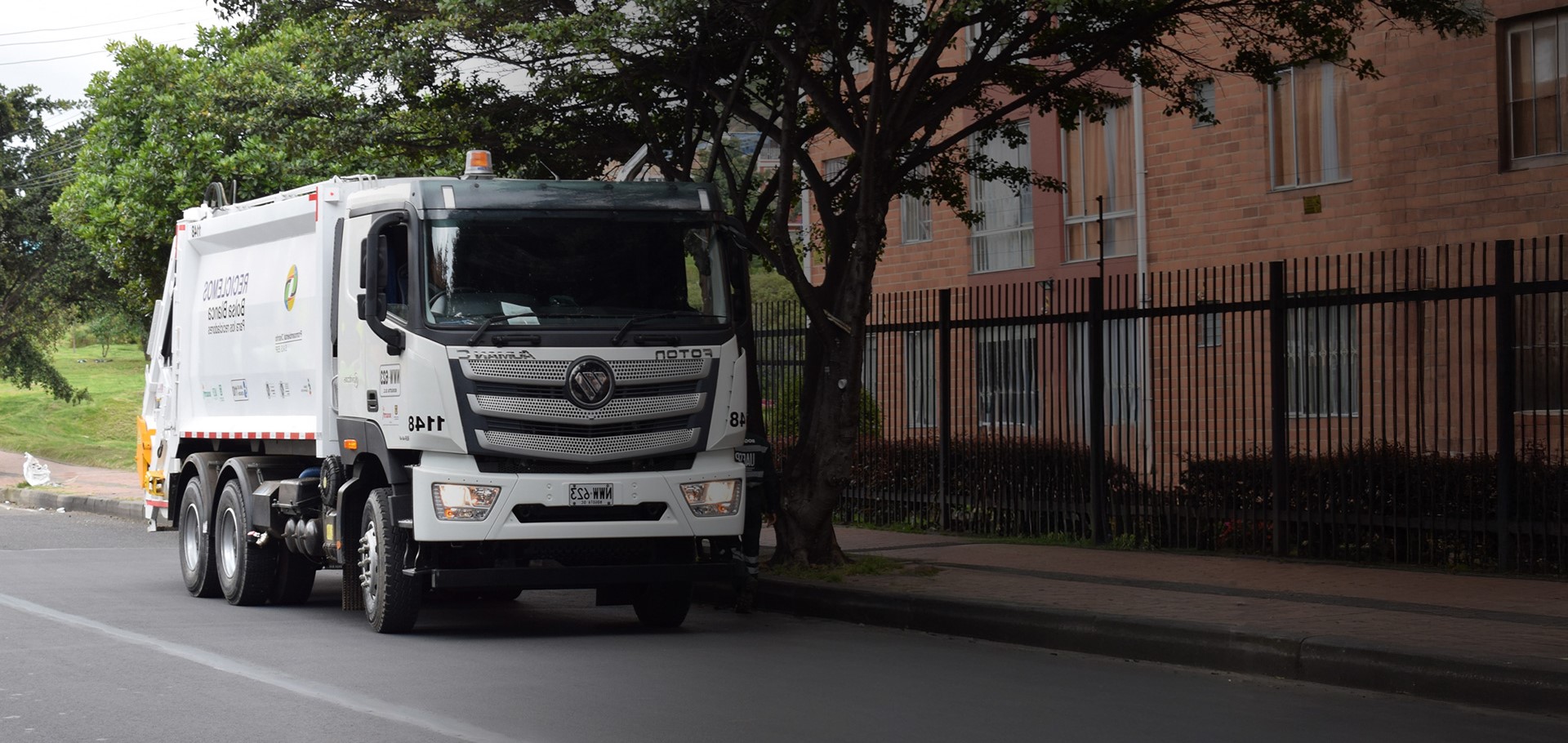
¿Sabes qué días hay recolección de basuras en tu zona?
¡Es fácil! Ingresa la dirección y selecciona 'Esquema de recolección de basuras'