
Traslated by Andrés Martínez Forero
Progress continues on Line 1 of the Bogotá Metro, part of the major mobility project "‘Bogotá, My City, My Home’". As part of this groundbreaking project, the Empresa Metro de Bogotá (EMB) exchanged experiences with the São Paulo Metro (MSP) in Brazil to strengthen the planning and operations of Line 1, which will stretch 23.96 kilometers and connect the districts of Bosa, Kennedy, Puente Aranda, Antonio Nariño, Los Mártires, Santa Fe, Teusaquillo, Chapinero, and Barrios Unidos.
You can consult: Bogotá and Singapore Forge Strategic Alliances in Water, Mobility, and Security
The knowledge exchange between MSP and EMB took place on March 26 and 27, 2025, and stands as an inspiring example of regional collaboration, supported by the Development Bank of Latin America and the Caribbean (CAF).
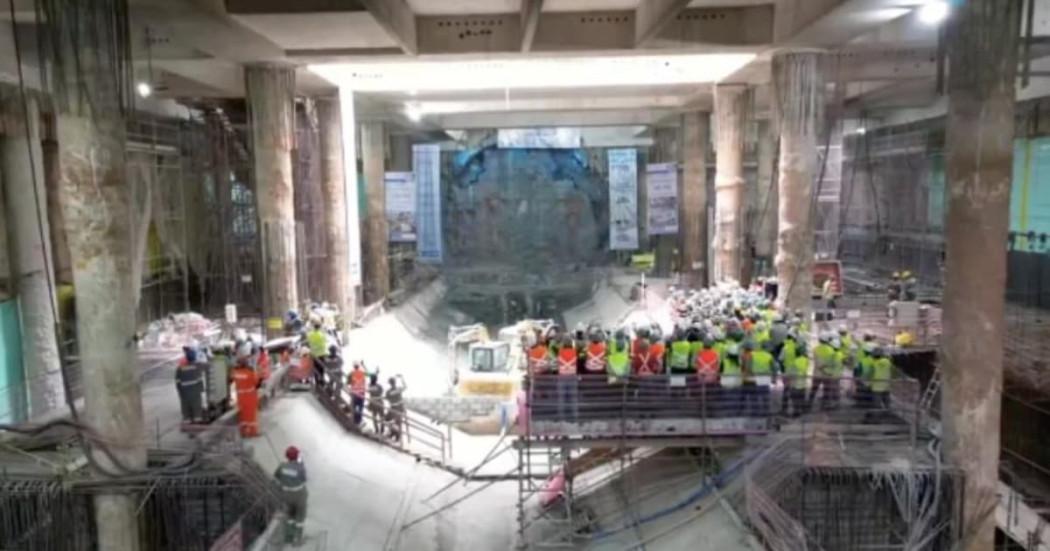
São Paulo Metro is building Line 6, a 15.3-kilometer route with 15 stations—10 underground and 5 elevated.
The initiative allowed participants to share strategies for more efficient and sustainable metro management across the region, contributing directly to the planning and future operation of Bogotá’s Line 1, set to open in 2028.
During the two-day exchange in São Paulo, EMB representatives gained insights from MSP, a well-established network serving nearly 5 million passengers daily. The event brought together 29 professionals from nine departments of MSP, alongside three EMB representatives and two from CAF. With a mix of lectures, workshops, and technical site visits, the gathering received “very high” satisfaction ratings from participants.
The goal was clear: to transfer key knowledge to improve the planning, execution, and operation of railway projects. Discussions covered essential topics such as establishing project management offices (PMOs), risk management, and community engagement—all crucial for the success of Line 1 and the upcoming underground Line 2 of the Bogotá Metro.
Key Takeaways from São Paulo Metro for Bogotá
MSP shared its comprehensive approach to project lifecycle management—from origin-destination surveys to operation and maintenance. A standout lesson was the importance of a centralized corporate PMO.
Another highlight was MSP’s approach to social management. The metro has implemented “relationship centers” to monitor properties affected by construction, helping to minimize negative impacts and foster community ownership.
An innovative aspect of MSP is its Corporate University, Unimetro, which offers ongoing training in various technical and management areas. This initiative has cultivated a strong sense of commitment and belonging among employees—many of whom have built lifelong careers within the company, in some cases rising from entry-level roles to leadership positions.
Don't leave without consulting: Bogotá is the third destination for foreign investment in Latin America
The EMB-MSP exchange reinforces regional cooperation and sets a precedent for more sustainable, efficient, and inclusive metro operations throughout Latin America.
*This article was created using information provided by the Bogotá’s International Relations Office and curated by a journalist from Portal Bogotá. For suggestions, questions, or more information, visit Bogotá Te Escucha: https://bogota.gov.co/sdqs/