
Traslated by Andrés Martínez Forero
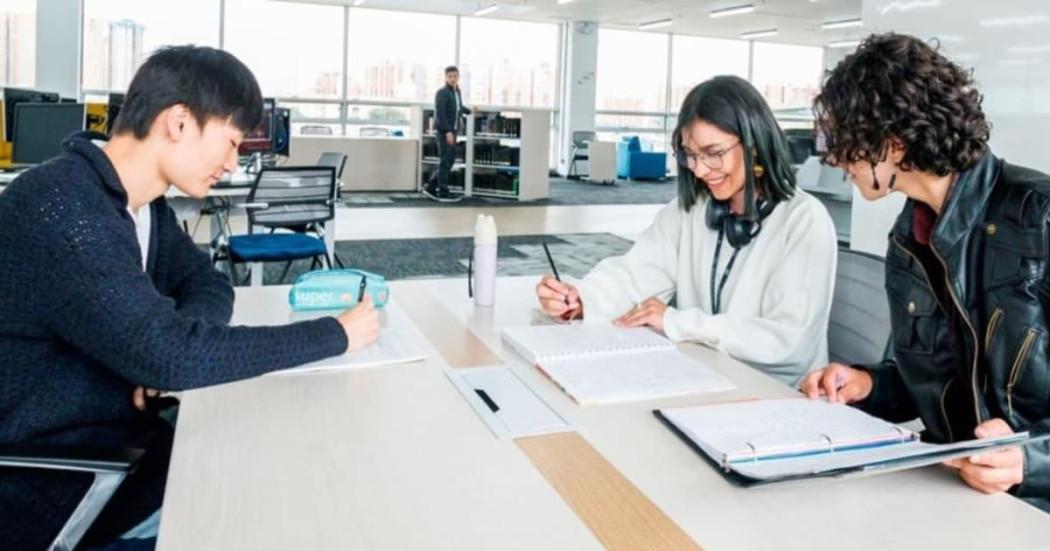
Bogotá gains recognition for the quality of its higher education programs! The Colombian capital has reached a new international milestone: for the first time, it appears in the prestigious QS Best Student Cities Ranking, placing among the top 100 cities worldwide for higher education. According to the 2025 index by QS Quacquarelli Symonds, Bogotá ranks 99th and is recognized as the fourth-best city in Latin America for university students.
Don’t miss:Bogotá and USA strengthen cooperation: security, migration and investment
What does the ranking measure?
The QS Best Student Cities Ranking is one of the most respected global benchmarks in education. It evaluates six key indicators:
- Student View: Quality of student life based on surveys of current and former students.
- Student Mix: Proportion and diversity of international students. Employer Activity: Reputation of local universities among employers and job prospects for graduates.
- Desirability: Overall perception of the city, quality of life, safety, culture, and urban environment.
- Affordability: Cost of living and tuition.
- University Rankings: Presence and performance of local universities in global rankings.
Víctor Saavedra, Director of Bogotá’s Agency for Higher Education, Science, and Technology (Atenea), celebrated the news on his X account:
Por primera vez Bogotá se ubica como una de las 100 mejores ciudades del mundo para estudiar educación superior. Felicitaciones a esta megaciudad universitaria y a todas sus universidades.https://t.co/FJEcjY1Yup
— Víctor Saavedra (@vicsaavedraM) July 16, 2025
How did Bogotá perform?
Bogotá earned an overall score of 61.4, standing out in the categories of Desirability (73.5) and University Rankings (65.6). This reflects growing recognition of the city’s academic institutions and their contribution to Colombia’s scientific and educational development.
The city also scored 44.5 in Affordability, making it a more accessible option compared to other global cities—an advantage for both Colombian and international students.
Lessons from the Top 10 Cities
The highest-ranking cities set a benchmark for Bogotá. The global top 10 are:
- Seoul (South Korea)
- Tokyo (Japan)
- London (United Kingdom)
- Munich (Germany)
- Melbourne (Australia)
- Sydney (Australia)
- Berlin (Germany)
- Paris (France)
- Zurich (Switzerland)
- Vienna (Austria)
Key lessons from these cities include:
- Steady investment in education and urban infrastructure
- Strong international reputation of their universities
- Innovation ecosystems linked to higher education
- Public policies supporting mobility, culture, and sustainability
- Active promotion of international exchange
- Scholarship and financial aid programs
- Global connectivity and collaborative research networks
- Safe environments and youth-friendly services
- Integration of student life with the city’s cultural dynamics
Bogotá and Latin America: Climbing the Educational Map
Only four Latin American cities made it into the top 100:
- Buenos Aires (32nd): Leading the region with rich educational and cultural offerings
- Santiago de Chile (50th): Noted for its infrastructure and academic reputation
- Mexico City (73rd): Recognized for diversity and a strong university network
- Bogotá (99th): Now joins the list as the fourth-best city in Latin America for students
This reinforces Bogotá’s rise as a regional academic hub and its growing competitiveness alongside cities with well-established higher education systems.
Also worth reading: UN-Habitat highlights six innovative public policies and urban projects in Bogotá
A City Committed to Knowledge
This recognition not only celebrates Bogotá’s present as a university city—it also drives its future vision. It’s a call to continue improving access, retention, and the quality of education, while also enhancing the experience of those who live and study in the city.
*This article was created using information provided by the Bogotá’s International Relations Office and curated by a journalist from Portal Bogotá. For suggestions, questions, or more information, visit Bogotá Te Escucha: https://bogota.gov.co/sdqs/