
Traslated by Andrés Martínez Forero
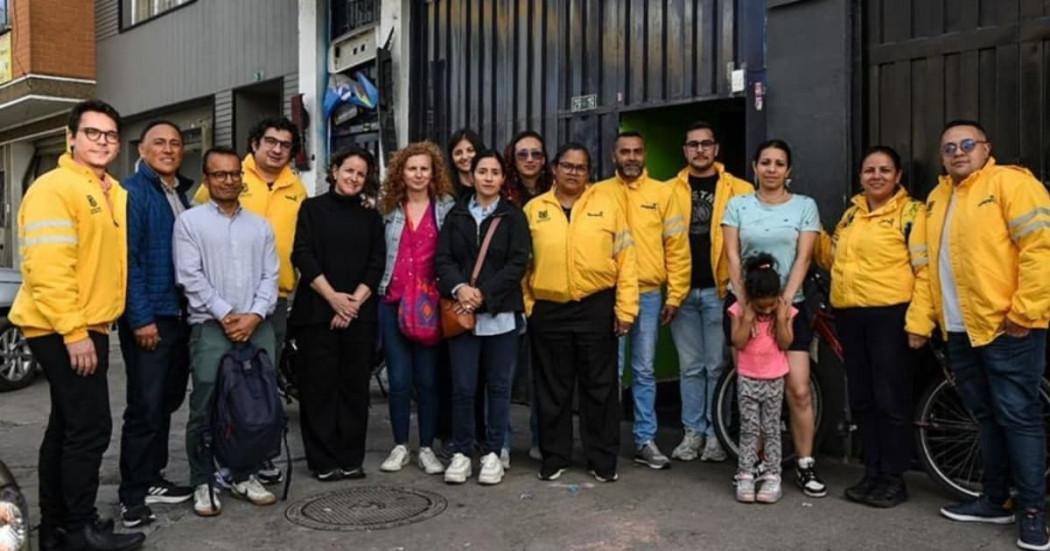
Bogotá gains international recognition for its social inclusion initiatives! A World Bank delegation visited the Center for Integration and Rights of Migrants and Refugees in the Kennedy district, in the city’s southwest, where they learned about the services provided by Bogotá’s Secretariat for Social Integration (SDIS) for people experiencing homelessness and migrants.
Check out: Bogotá and German Cooperation Expand Joint Agenda to Improve Public Wellbeing
Key services include the Solidarity Closet (Ropero Solidario), where individuals can select clothes for personal use, and public showers, primarily used by people without stable housing or migrants in transit.
The center’s strategic location near the city’s southern highway makes it easily accessible for those who need it most. In addition, the staff provides medical care and coordinates legal guidance with other local and national agencies.
The visit also included a tour of the Kennedy Community Development Center (CDC) and the Amar Corabastos Center, which offer educational support and high-quality meals to children and adolescents outside regular school hours.
The World Bank team also visited the Ciudad de Bogotá Preschool, dedicated to early childhood education.
In the afternoon, they toured the El Camino Life Community facility, where they explored the infrastructure, gym, and workshops available for individuals transitioning from life on the streets to social reintegration.
“For the Secretariat for Social Integration, this visit is significant because it allows us to showcase our work and how we support different communities, often in partnership with key allies. Once individuals arrive at these centers, we guide them, provide information, and direct them either to services within our portfolio or to external entities that can meet their needs,” said Maritza Mosquera, Deputy Director for Identification and Characterization at SDIS.
Carlos Vargas, a World Bank consultant, added: “I was particularly struck by the roadmap established for people experiencing homelessness—not just psychosocial support, but also training and skill-building aimed at employment. For the World Bank, this is a powerful example of what can be done not only in Colombia but in other cities and regions around the world.”
You can find more images from the visit in the following post by the District Secretariat for Social Integration (SDIS) on Instagram:
Ver esta publicación en Instagram
Una publicación compartida de Secretaría Distrital de Integración Social (@integracionsocialbogota)
Lastly, accompanied by Roberto Angulo, Secretary of Social Integration, the delegation visited two Pagadiarios in the Puente Aranda and Barrios Unidos districts—sites prioritized in the second phase of the Pagadiarios Strategy. This initiative seeks to deliver social services to long-overlooked populations living in these informal housing arrangements.
Paula Escobar, also a World Bank consultant, emphasized: “This visit is vital as it helps us identify populations that are often excluded from traditional data and targeting mechanisms. We need to understand who they are, how many there are, where they live, and what they need. With this knowledge, and with the World Bank’s support, the city can design a strong strategy for visibility and support. We're also interested in understanding not just why people end up in Pagadiarios, but how they live day to day—and how to connect them with the right services to improve their quality of life.”
Don't leave without knowing: New Agreement Strengthens Innovation Partnership Between Bogotá and Finland
During the visit, with help from the Pagadiarios Strategy team, the delegation also conducted profiling of the residents to better understand the population dynamics. These include migrants, children, the elderly, and members of the LGBTI community.
*This article was created using information provided by the Bogotá’s International Relations Office and curated by a journalist from Portal Bogotá. For suggestions, questions, or more information, visit Bogotá Te Escucha: https://bogota.gov.co/sdqs/