
Traslated by Andrés Martínez Forero
Bogotá continues to be a hub for major events. As part of World Cities Day, the city hosted a high-level forum to showcase the achievements of the Climate Action Implementation Programme led by C40 Cities. The event reaffirmed the UK Government’s and Bogotá’s shared commitment to climate action.
You might be interested in: Bogotá and France Strengthen Their Alliance for a More Sustainable and Resilient City
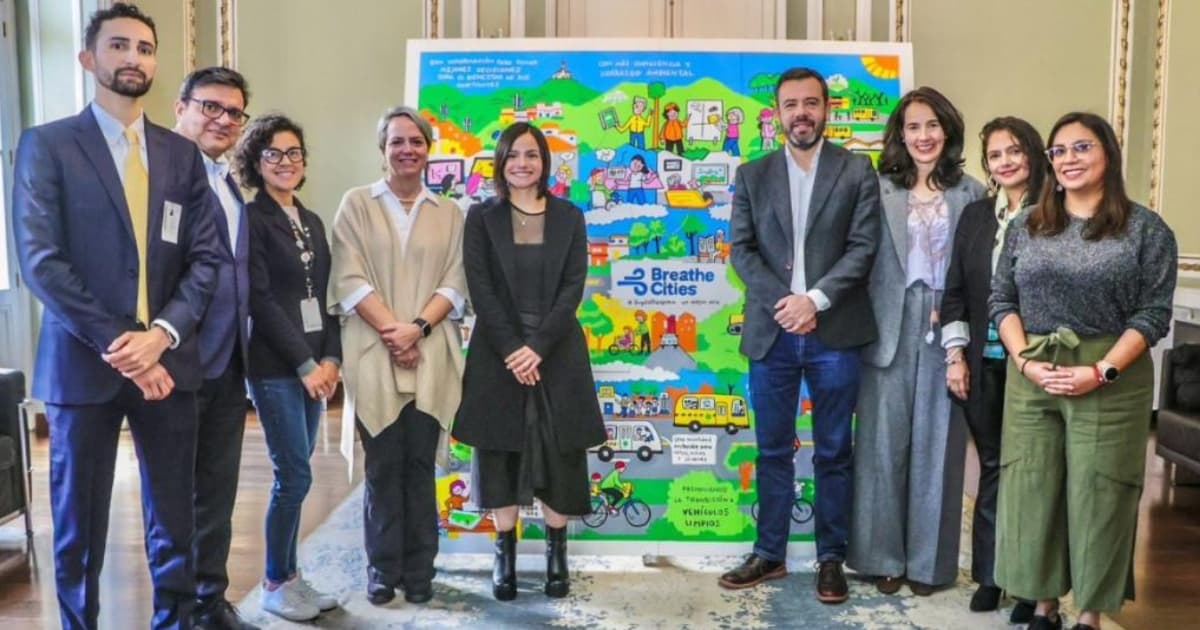
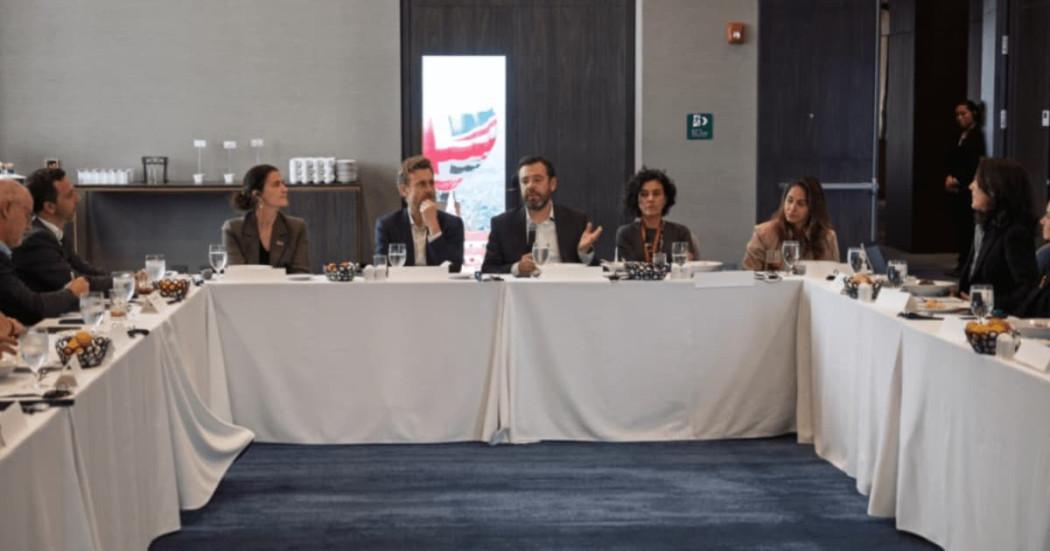
The event featured Bogotá Mayor Carlos Fernando Galán, UK Ambassador to Colombia George Hodgson, and Hélène Chartier, Director of Urban Planning at C40 Cities, alongside local officials, international partners, diplomats, civil society organizations, and beneficiaries—demonstrating the strong political and technical commitment to cutting emissions, building capacity, and shaping a more inclusive and sustainable urban future.
The programme, funded by the UK Government in partnership with C40 Cities, has supported Bogotá in rolling out key strategic projects that blend sustainable mobility, clean energy, and urban planning—all through a lens of equity and inclusion.
The gathering aimed to highlight program milestones, strengthen partnerships, and showcase results from a collaboration that began in 2022 with funding from the British Embassy in Colombia. It focuses on delivering priority climate actions for the city.
One of the highlights was La Rolita—Bogotá’s 100% electric public bus system, designed with a gender equity approach. With 195 electric buses and 63% of its drivers being women, the system prevents over 8,580 tons of CO₂ emissions annually. La Rolita – Operadora Distrital de Transporte stands out as a pioneering initiative in sustainable, inclusive, and care-centered transport policy, now inspiring similar efforts across Latin America.
The city also presented its Pedestrian Public Policy, which seeks to create safer and more inclusive walking spaces—especially important in a city where walking accounts for 36% of daily trips. The plan includes eight strategic circuits totaling over 20 kilometers, connecting public transport hubs (including the future Bogotá Metro Line 1) with the city’s Care System and key public facilities like schools, daycare centers, health clinics, parks, and community centers.
On the energy front, Bogotá is building a first-of-its-kind urban energy governance model in Latin America. This framework will boost the adoption of clean energy and embed gender perspectives into climate planning and decision-making. Designed to help the city reach carbon neutrality by 2050, the model also opens doors to strategic investments in energy efficiency and renewable energy, offering scalable lessons for other cities across the region.
Throughout the forum, participants praised Bogotá’s advances in public policy integrating active and sustainable mobility, long-term urban planning, and green jobs with a gender lens—establishing the city as a regional and global climate leader. These achievements show what’s possible when public policy, financing, gender equity, and technical capacity align to tackle the climate crisis and build a fairer, greener future.
Don't leave without reading: Bogotá and U.S. Companies Deepen Partnership to Drive Investment in Megaprojects
About C40 Cities
C40 Cities is a global network of nearly 100 mayors committed to urgent climate action. Their mission is to create a future where everyone, everywhere, can thrive. C40 mayors use a science-based, people-centered approach to help limit global warming to 1.5°C and build healthier, more equitable, and more resilient communities.
*This article was created using information provided by the Bogotá’s International Relations Office and curated by a journalist from Portal Bogotá. For suggestions, questions, or more information, visit Bogotá Te Escucha: https://bogota.gov.co/sdqs/