
Translated by Andrés Martínez Forero
At a time when migrants are still being used in many places to fuel division, blame, and invisible borders, Bogotá chose a different path: to open its doors. And the world is taking notice. Three initiatives led by the Mayor’s Office of Bogotá were featured in the 2026 Third Report on Local Action for Migrants and Refugees, produced by the Local Coalition for Migrants and Refugees in partnership with the International Organization for Migration (IOM).
Don't leave without checking out: Bogotá’s ZIBo Strategic Project wins international UHPH award
The report was presented during the United Nations International Migration Review Forum — IMRF 2026 — one of the world’s leading spaces for assessing how local governments are responding to migration through practical, sustainable solutions. Bogotá was there as a benchmark.
A city that chose not to turn away
In total, the report includes 57 new commitments from local governments and international partners, building on 181 actions launched since 2022. Together, these initiatives now reach more than 240 million people worldwide and mobilize over USD 90 million for strategies focused on integration, protection, access to rights, and social inclusion.
Bogotá is part of this global map with three initiatives born from local realities: from classrooms, from the streets, and from the real needs of people arriving in the city in search of a new beginning. All three have one thing in common: they put people first.
- La Aldea: when one story can change an entire classroom
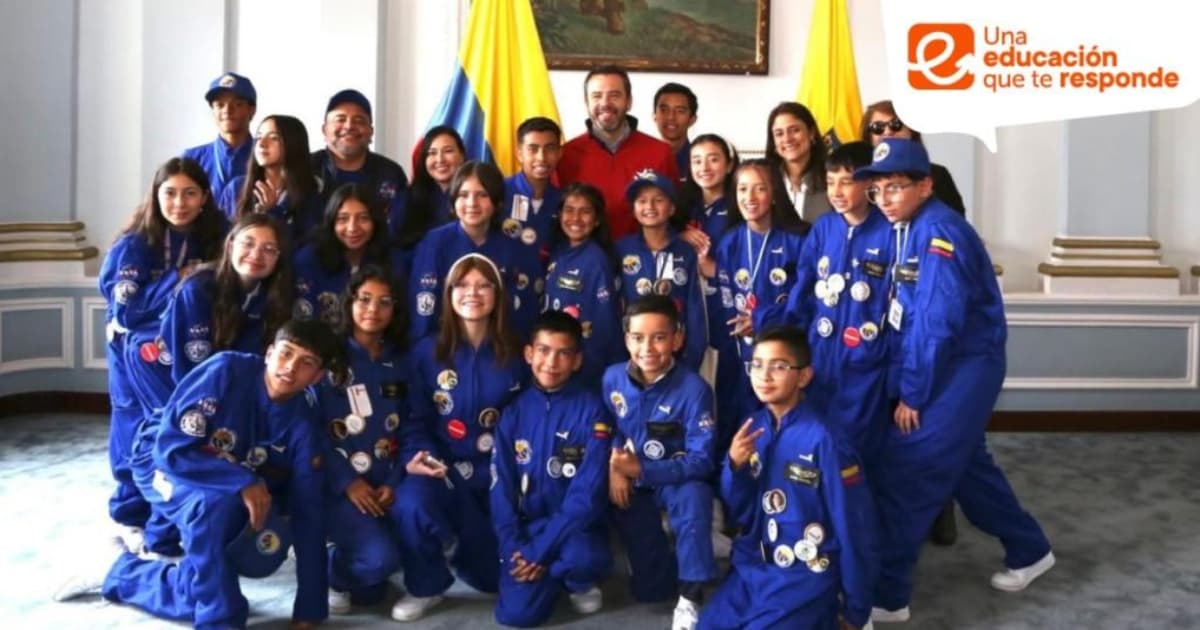
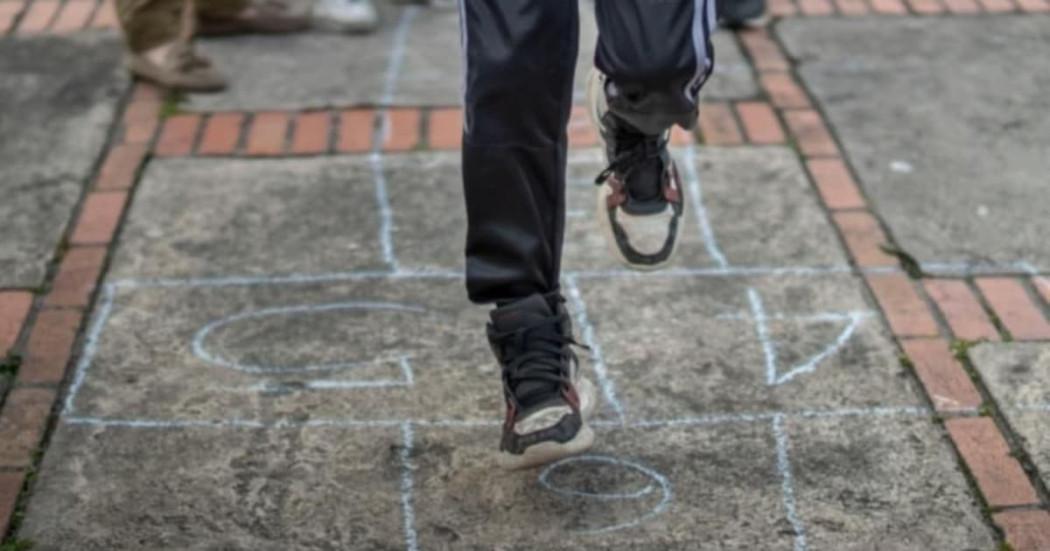
The Inclusive Classrooms – La Aldea strategy, led by the Secretariat of Education of Bogotá in partnership with the IDB and Click+Clack, was recognized for turning classrooms into spaces of empathy and coexistence. Illustrated stories, cooperative games, and guided conversations have become tools to challenge prejudice and address discrimination from early childhood.
- Casa de Todas: a safe space in the face of stigma
Some women arrive in Bogotá carrying the weight of migration, poverty, violence, and social rejection all at once. And still, they keep going.
That is why Casa de Todas, led by the Secretariat for Women of Bogotá, was highlighted as a key initiative to guarantee rights and access to comprehensive services for women engaged in paid sexual activities, especially migrant and refugee women.
Psychosocial support, socio-legal guidance, and social assistance in safe, stigma-free spaces are part of a model grounded in one essential belief: no woman should feel invisible in the city she lives in.
- The One-Stop Service Window: making help easier to reach
For thousands of migrants, refugees, and returnees, accessing social services can feel like navigating an endless maze. Bogotá’s One-Stop Social Services Window was created precisely to reduce that fragmentation.
Led by the Secretariat for Social Integration of Bogotá, the strategy was recognized internationally as an innovative effort to bring government services closer to people in a clearer, faster, and more humane way. The platform helps identify needs, connect families with available services, and improve the allocation of social support. It also works alongside Bogotá’s Social Registry to support fairer, evidence-based decision-making. At its heart, the initiative seeks to ease the uncertainty faced by those who do not know where to turn.
Bogotá, a city that chose integration over exclusion
Bogotá has come to understand migration as a fundamental part of the city’s everyday life and identity. That may be the real meaning behind this international recognition. At a time when anti-migrant rhetoric is gaining ground in different parts of the world, Bogotá is sending a different message: cities can be places of welcome, opportunity, and second chances.
Check before you leave: Bogotá Wins Second International Award in 2026 for Successful Green Bond Issuance
The inclusion of these initiatives in the international report positions Bogotá as a regional leader in integration and social protection. It also shows that the most powerful solutions emerge when a city chooses to see people as part of its future, not as a problem. Through this commitment, Bogotá is showing the world that em
*This article was created using information provided by the Bogotá’s International Relations Office and curated by a journalist from Portal Bogotá. For suggestions, questions, or more information, visit Bogotá Te Escucha: https://bogota.gov.co/sdqs/