
Written by: Andrés Martínez Forero
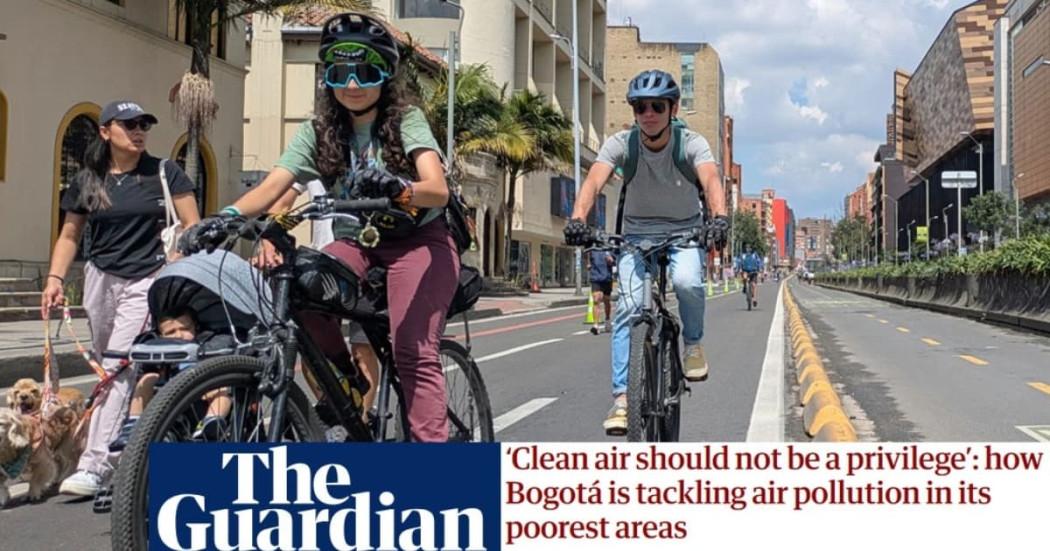
‘Bogotá, My City, My Home’ continues to stand out as an international leader in urban sustainability and environmental justice. The renowned British newspaper The Guardian recently published an article "Clean air should not be a privilege’: how Bogotá is tackling air pollution in its poorest areas", highlighting the Colombian capital’s achievements in air quality, clean mobility, and inclusive urban planning—especially in communities that have historically faced the greatest environmental challenges.
You might also be interested in reading: Bogotá Becomes the First City Worldwide Recertified as a Smart Tourist Destination
Key milestones recognized in the article include
- A 24% reduction in air pollution levels between 2018 and 2024.
- The launch of Urban Zones for Cleaner Air (ZUMAs), starting in neighborhoods like Bosa, one of the city's most socially and environmentally vulnerable areas.
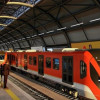
- Major investment in sustainable infrastructure, including 350 miles (560 km) of bike lanes, 1,400 electric buses, and new cable car lines.
- A people-first planning approach that prioritizes health and well-being in areas most affected by inequality.
International organizations such as Breathe Cities and Clean Air Fund describe Bogotá as a model for other developing cities to follow, praising its holistic approach to public health, climate action, and social equity.
The article also celebrates Bogotá’s recognition as one of the 25 winners of the 2025 Earthshot Prize, one of the world’s most prestigious environmental awards—underscoring the city’s growing leadership on the global stage.
Don't leave without reading: Bogotá Named Finalist for the 2025 Bloomberg Philanthropies Local Leaders Awards
Read the full article in The Guardian
"Clean air should not be a privilege’: how Bogotá is tackling air pollution in its poorest areas"Written by Luke Taylor. Published January 29, 2026. All rights reserved to The Guardian.
*This article was created using information provided by the Bogotá’s International Relations Office and curated by a journalist from Portal Bogotá. For suggestions, questions, or more information, visit Bogotá Te Escucha: https://bogota.gov.co/sdqs/